
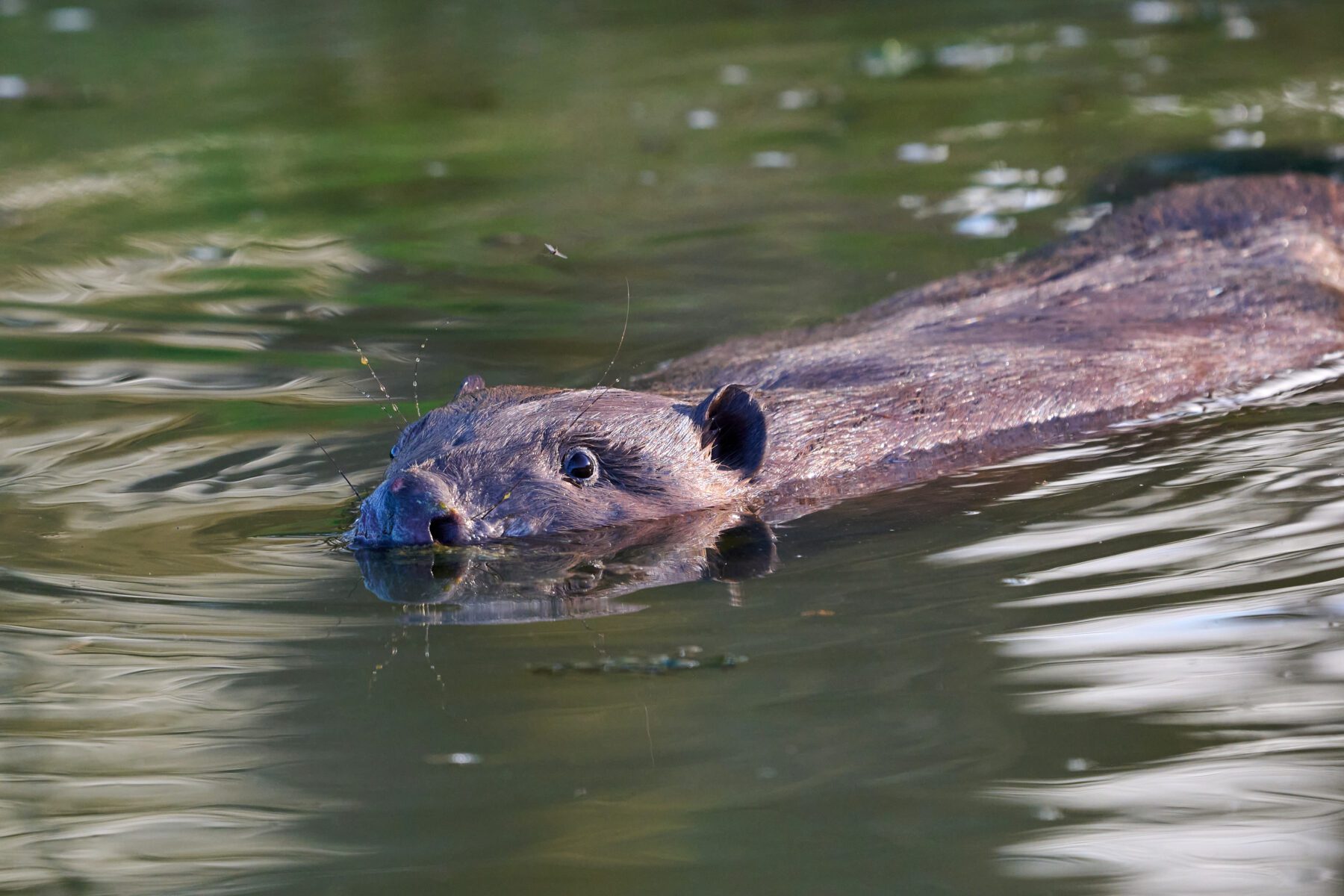
Beavers have returned to Bedfordshire for the first time in over 400 years, marking a historic milestone for Southill Estate and for nature recovery in the county.
Following two years of careful preparation, licensing and habitat creation, a family of Eurasian beavers has been successfully released into a purpose-built enclosure at the estate. The project represents a significant step forward in long-term ecological restoration and drought resilience in one of the driest counties in England.
The release follows the successful granting of a licence from Natural England, secured in partnership with Beaver Trust, which led on the licence application, co-designed the main release pond, coordinated trapping operations and oversaw the safe transfer of animals to site. The groundwork over the past two years has been delivered by the estate team under the leadership of Paul Dunn, working alongside a range of specialist contractors. This has included the construction of a securely fenced enclosure, pond creation, willow planting, and the rewiggling of an existing ditch to restore more natural hydrological flow and habitat complexity. RESTORE, a specialist nature restoration company, has provided strategic advice and management planning throughout, helping to shape the overall approach to ecological restoration on the estate.
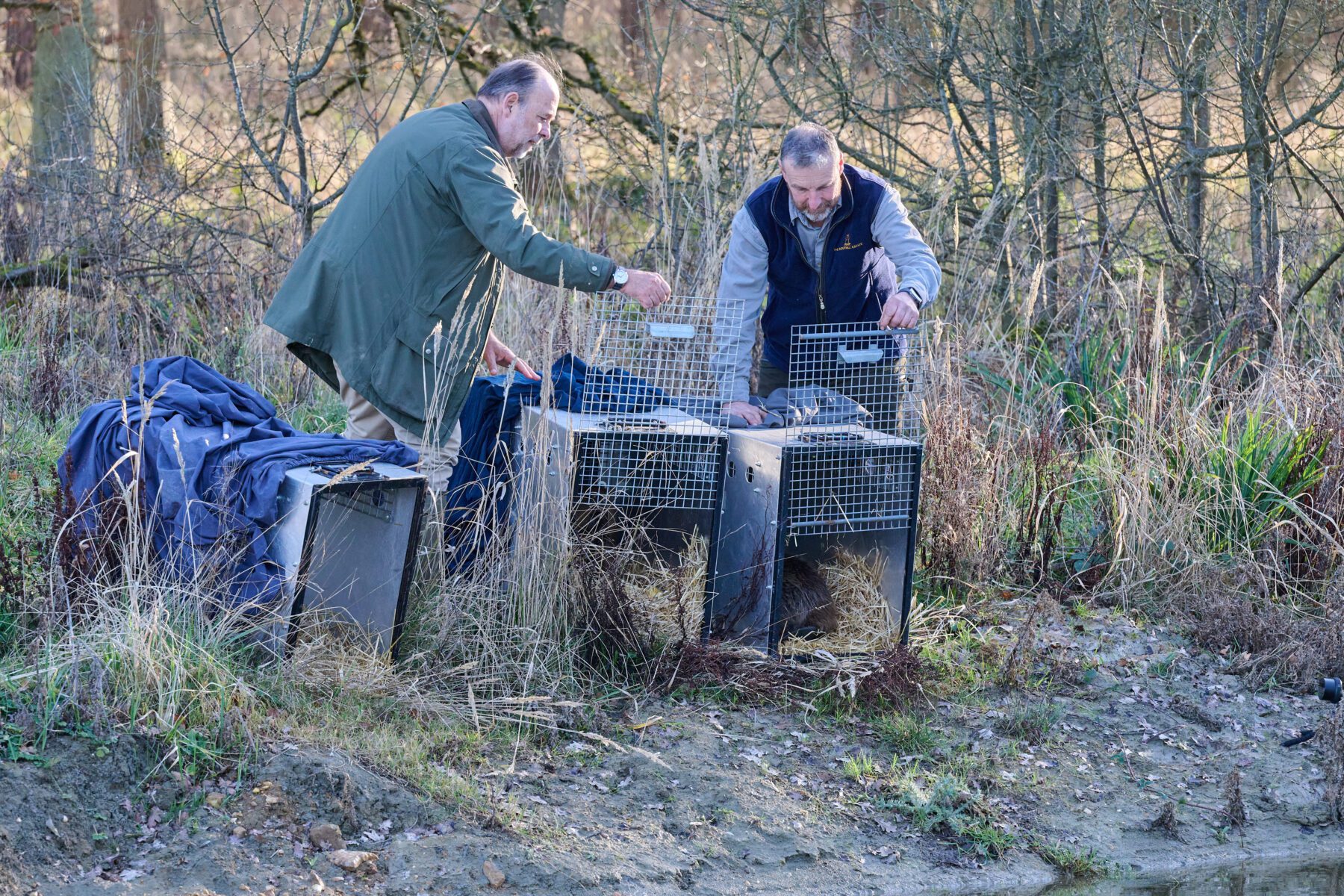
The release took place in two stages. In the first, an adult male and two kits sourced from Scotland were introduced to the enclosure. The Scottish beavers were humanely trapped under licence as part of a NatureScot mitigation scheme before being health screened at Five Sisters Zoo. A few days later, the family group was completed with the arrival of an adult female, who had spent the past 14 months at Wildwood Trust being rehabilitated and carefully prepared for independent living. The keepers at Wildwood Trust have expressed their delight at seeing her successfully released into a project of this scale and ambition.
Charles Whitbread, owner of the estate said: “This has been a long and complex journey, with challenges we didn’t always know we would overcome and there were moments when we genuinely wondered whether this day would ever come. To finally see the beavers released and swimming in the landscape was truly wonderful, and something I will not forget. We hope the return of beavers will be the first of many lost species to find a home at Southill, and that what we are building here will continue to grow in ambition for years to come.”
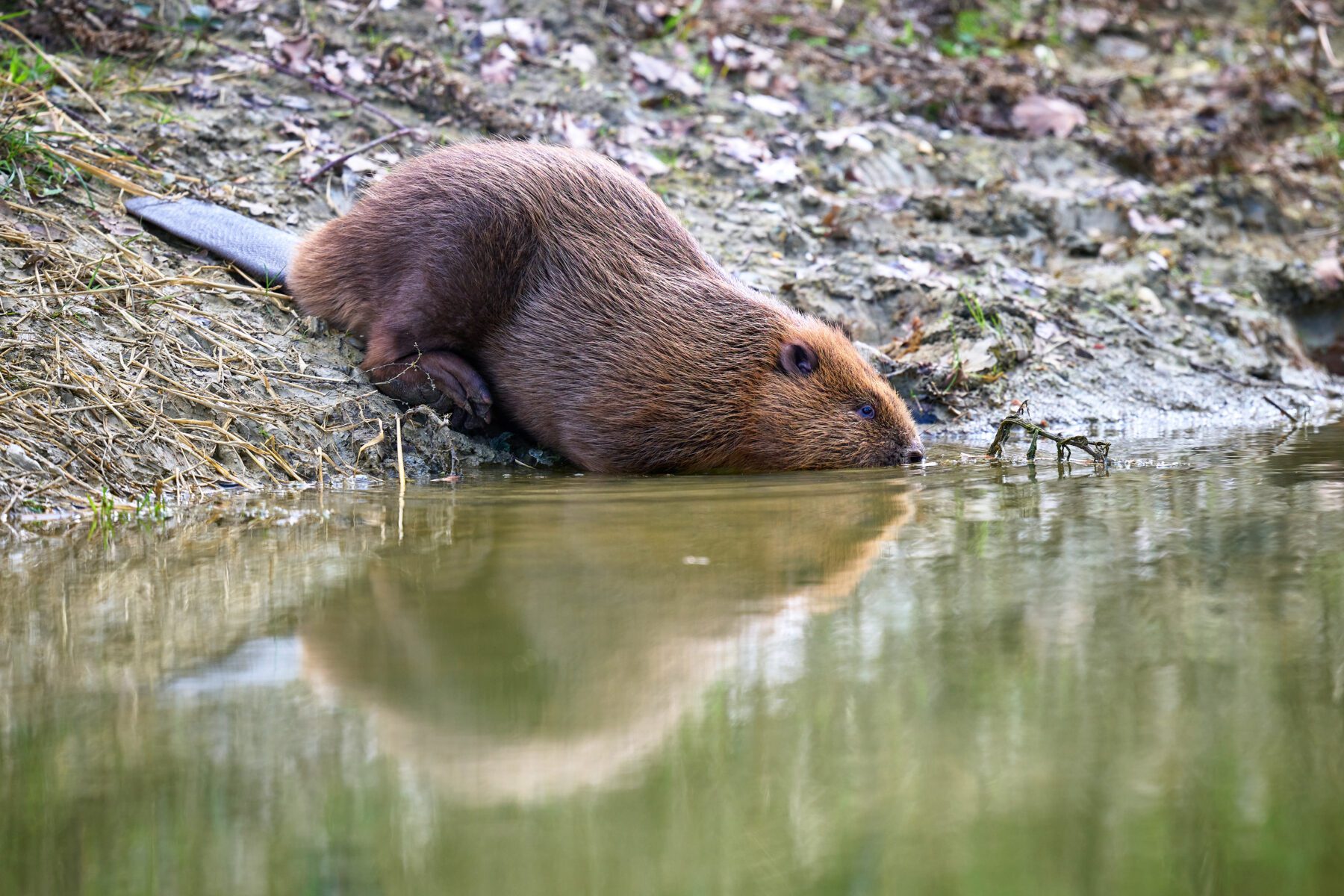
The beaver release reflects a broader commitment by the estate owner to manage the land differently, creating space for nature to recover alongside productive land use. Central to this has been increasing the availability of water across the estate and implementing rigorous deer control, allowing the woodland understorey and in-field scrub to regenerate naturally and delivering significant gains for biodiversity across the estate.
These measures are already delivering results. The recovering habitats have already begun to support species such as grey partridge in greater numbers, alongside increases in wading and songbird populations and invertebrate communities. The arrival of beavers represents the next step in this restoration journey, introducing a keystone species capable of accelerating wetland recovery and ecological complexity across the estate.
Beavers are widely recognised as ecosystem engineers. Their dam-building activity creates mosaics of wetland habitat, including pools, channels and standing deadwood. These dynamic environments provide breeding and foraging habitat for amphibians and a host of other aquatic species, including many rare and scarce invertebrates, and nesting and foraging opportunities for birds and bats.
The positive impacts of beavers extend well beyond biodiversity. Beaver dams slow water flow, helping to retain water in the landscape, a critical function in Bedfordshire, one of the driest counties in the country. By attenuating peak flows, they contribute to natural flood mitigation within the River Ivel chalk stream catchment.
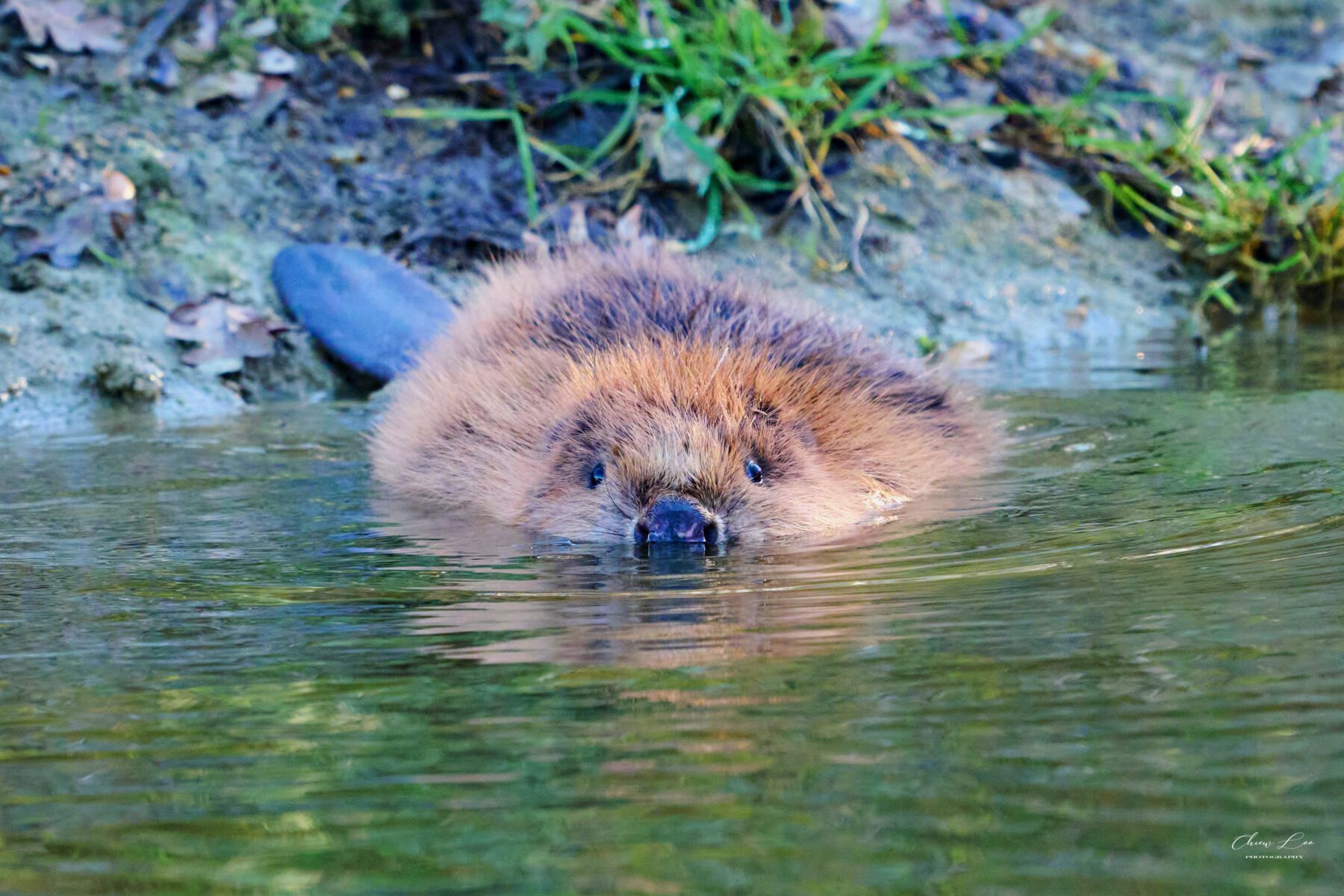
In addition, the wetland habitats created by beavers can increase carbon sequestration in soils and vegetation, supporting broader climate mitigation efforts.
The beaver family will be closely monitored under the terms of the licence. As the population grows, it is expected that future offspring may be trapped by Beaver Trust and translocated to further government-licensed reintroduction projects across mainland Britain, helping to accelerate the species’ national recovery.
The biodiversity uplift being achieved across the estate is being monitored and quantified by Restore, and will be made available through Biodiversity Net Gain (BNG) credits for developers and 30×30 Restore Units for corporates seeking to demonstrate meaningful nature leadership, directly contributing to the UK government’s commitment to protect 30% of land and sea by 2030.
This release represents more than the return of a species. It encapsulates the long-term commitment to rebuilding ecological function at Southill Estate, restoring water systems, supporting biodiversity and strengthening landscape resilience in the face of climate change. For Bedfordshire, the return of beavers marks the beginning of a new ecological chapter.