
Bespoke training
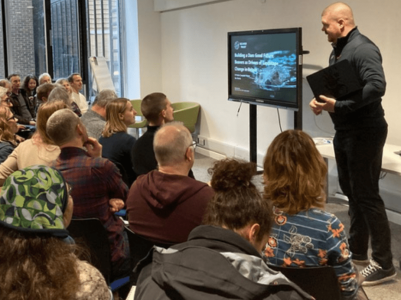
We deliver engaging, tailored training on topics such as beaver ecology and behaviour, mitigation techniques, survey methods, monitoring, and electrofishing. Training can be designed to meet organisational needs and delivered either in person or online. We have successfully worked with a wide variety of groups, from conservation charities to government staff, ensuring teams gain the knowledge and skills they need.
Habitat feasibility and project assessments
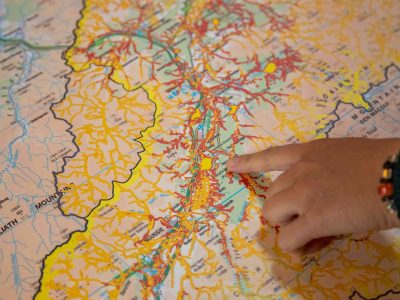
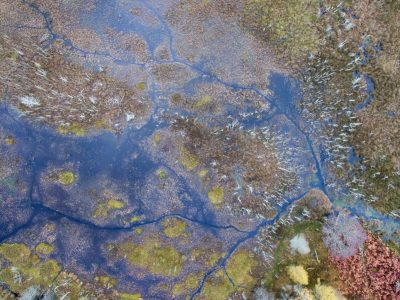
We deliver detailed, impartial site assessments using established modelling tools in partnership with the University of Exeter and other specialists. These explore habitat suitability, vegetation quality and dam-building capacity, in combination with ground-truthing to provide overall long-term project feasibility for both enclosed and wild releases. Assessments also cover potential impacts, opportunities, and long-term recommendations, considering wider land use, other species, and mitigation needs.
Beaver population, connectivity and distribution surveys
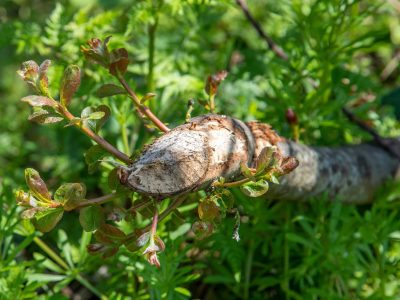
Our team has deep expertise in recognising beaver field signs and understanding their ecology and behaviour. In collaboration with other leading experts, we have helped develop and publish survey methods that are now widely used. We regularly undertake catchment-scale surveys for statutory agencies, providing robust data to inform management and policy.
Animal translocation
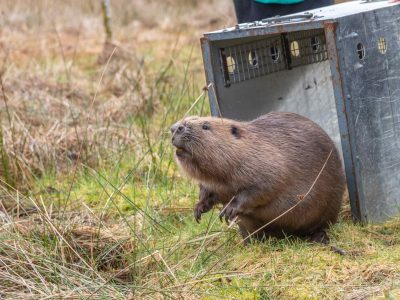
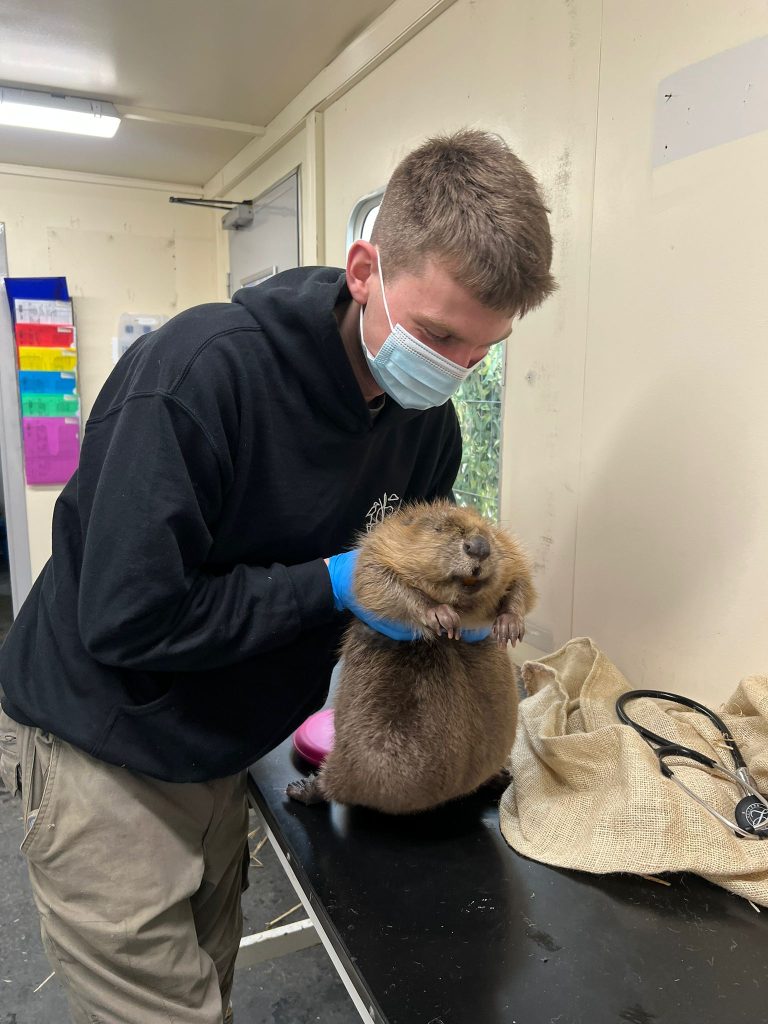
Where necessary, we work with landowners and managers to humanely capture and relocate beavers to approved projects or release sites. Our team holds the required licences from Natural England and NatureScot. In collaboration with leading wildlife veterinarian Dr Romain Pizzi and our purpose-built holding facilities at Five Sisters Zoo, we ensure best-practice health screening and welfare standards throughout the process.
Licence application support
We have extensive experience preparing and supporting licence applications across a range of contexts, including animal mitigation work, wild releases, and development proposals.
We can advise on applications, act as named ecologists, or provide full technical support. Our strong working relationships with statutory bodies ensure we remain at the forefront of evolving licensing frameworks across Britain.
Animal welfare guidance
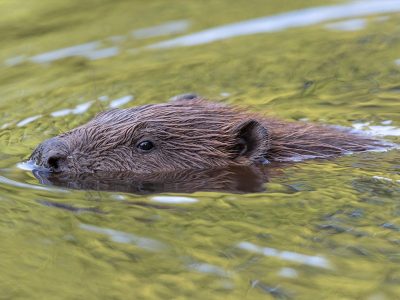
Animal welfare is at the heart of our work. We provide guidance on best practice for every stage of the process, from husbandry and veterinary protocols to the rehabilitation of wild animals. Our approach covers pre-release preparation, post-release support, and the development of welfare standards that put the wellbeing of beavers first.
Post release support
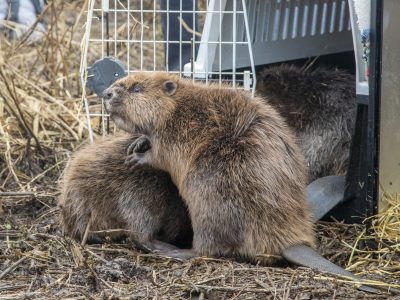
Our team has wide experience supporting both enclosed and wild releases after translocation. This includes animal monitoring and husbandry, training in field sign identification and handling, support with rehoming, and public engagement. We aim to ensure both animals and people are supported through the transition
Site-specific advisory work
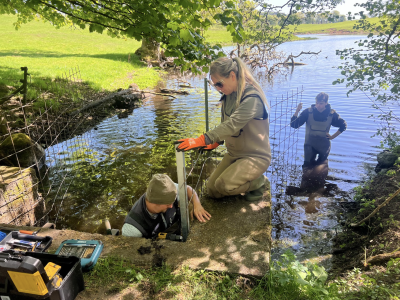
We provide flexible, on-the-ground advice for a wide variety of scenarios. This might include supporting staff development, advising on habitat restoration, designing coexistence strategies, facilitating stakeholder engagement, or providing technical guidance on monitoring and mitigation.
Mitigation
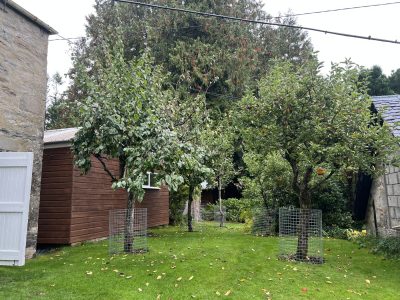
We design, develop and implement a wide range of practical, approved mitigation techniques to reduce conflict and support coexistence. Management plans are tailored to each site and stakeholder, covering both enclosed and wild populations across Britain. We also offer support on how to claim and conduct beaver mitigation under countryside stewardship schemes.
Named Ecologist/Ecological Clerks of Work
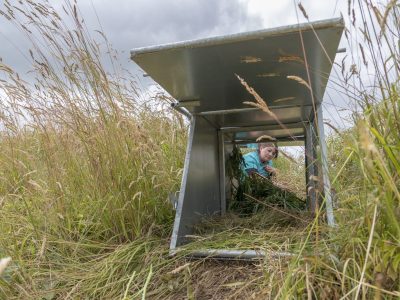
Our staff can act as Named Ecologists or Ecological Clerks of Work, providing licensed oversight and expert support for projects and developments requiring beaver management or mitigation.
Beaver Management Groups
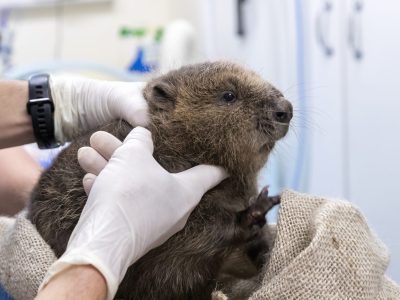
Our team contributes to a range of national and regional Beaver Management and Advisory Groups across Scotland, England, and Wales. Through these groups, we collaborate with government bodies, NGOs, local interest and community groups, and other environmental organisations to help shape policy and share best practice.
Public engagement
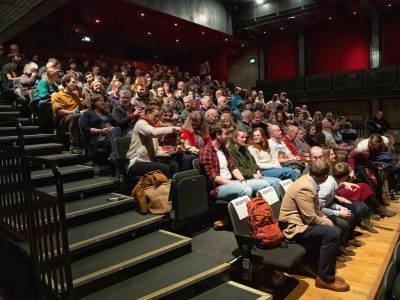
We regularly lead and contribute to public-facing events, including talks, workshops, school visits, film screenings, and site tours. We also provide engagement materials designed to address concerns constructively and encourage dialogue. Our work has supported numerous successful wild release applications along with ongoing post-release support.
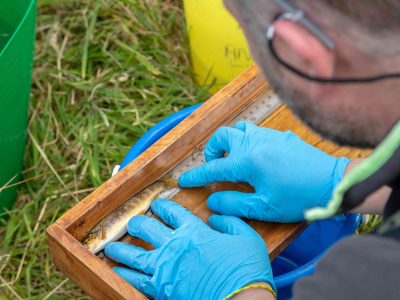
Research
We actively contribute to research on ecology, animal welfare, veterinary science, husbandry, mitigation techniques, and beaver–fish interactions. We welcome opportunities to collaborate with research partners to expand knowledge and inform practice.
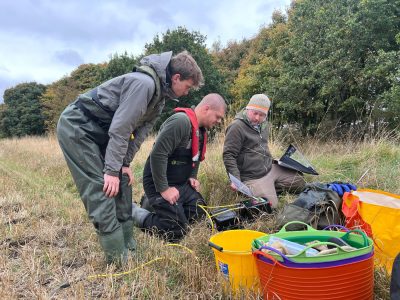
Electrofishing surveys
We undertake semi- and fully quantitative electrofishing surveys across a variety of habitats, providing detailed, tailored reports. All necessary licences and equipment are arranged by us. We also offer advice on beaver–fish interactions to support informed management decisions.
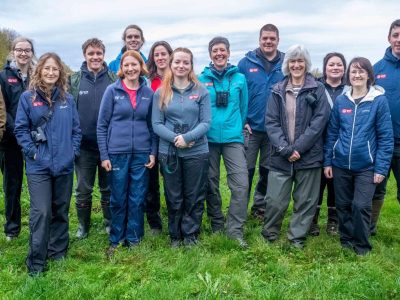
Contact us
Email restoration@beavertrust.org to enquire, or request more information

Dr Roisín Campbell-Palmer
Head of Restoration

Dr Robert Needham
Restoration Manager

Sheelagh McAllister
Field Officer

Alana Skilbeck
Senior Project Officer
Ben Morris
Senior Field Officer

Cristín Lambert
Field Officer

George Layton
Field Officer